
How to Choose Quilting Fabric: Fiber, Color, Weight, and Mixing

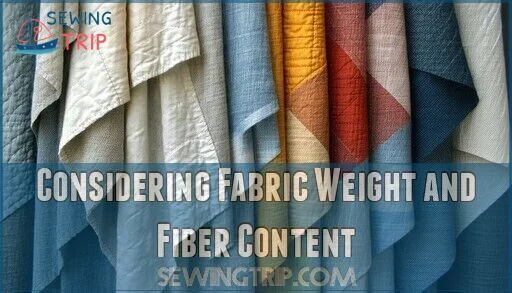
Choose 100% quilting cotton in colors you love; pick two to five fabrics with light, medium, and dark values, then mix prints and solids. Check fiber, weight, and weave so the fabric lasts. Pre-wash only if you want to soften the hand.
- Start with the Right Fiber
- Weight, Weave, and Finish: A Buyer's Checklist
- How to Choose Quilt Colors for Beginners
- How Many Different Fabrics Do You Need?
- Can You Mix Fabrics in a Quilt? Rules That Work
- Palette Tools for Choosing Quilting Fabric
- Beginner Checklist: How to Choose Quilting Fabric Before You Buy
- FAQ
- Putting It Together
Start with the Right Fiber
Start with the fiber because it controls how the quilt feels, sews, and ages. Quilting cotton is the practical default for beginners: a 100% cotton quilting-weight fabric usually measures 44–45 inches wide and shrinks roughly 2–5 percent in the first wash. Cotton Incorporated, the cotton research and promotion organization, publishes guidance on cotton's durability and on deciding when to pre-wash. Cotton lawn is a finer, lighter alternative with a softer drape, while linen adds visible texture but is often wider, coarser, and more prone to deep creases. For a first quilt, 100 percent quilting cotton keeps the seam allowances, pressing, and piecing predictable. The fiber label on a bolt is the most reliable check.
Fiber at a glance:
- Quilting cotton: 100% cotton, 44–45 inches wide, light to medium body, accepts a crisp press.
- Cotton lawn: lighter and smoother; good for delicate piecing but needs more care.
- Linen and linen blends: more texture and drape; wrinkles easily and can shift under the needle.
- Cotton/poly blend quilting prints: soft and crease-resistant, but check the iron temperature before pressing.
Weight, Weave, and Finish: A Buyer's Checklist
Before buying, compare weight, weave, and finish; they determine how the fabric behaves at the sewing machine. Quilting-weight cotton sold by mills such as Moda Fabrics is usually a plain-weave cotton with a crisp, stable hand. Weight is measured in ounces per square yard; a lower number means a lighter, drapier fabric. Weave matters too: quilting cotton uses a plain over-under weave that behaves predictably, while twill weaves in blends are slightly thicker and can shift less under the needle. Finish and hand describe how crisp or soft the fabric feels; a crisp finish holds a fold for pressing. The table below gives a practical comparison.
| Fabric | Typical weight | Weave | Finish and hand | Use it for |
|---|---|---|---|---|
| Quilting cotton | 4–5 oz/yd² | Plain weave | Crisp, stable, easy to press | Precise patchwork and beginner quilts |
| Cotton lawn | Lighter than quilting cotton | Plain weave, finer threads | Soft, smooth drape | Delicate piecing and lightweight projects |
| Linen | 5–7 oz/yd² | Plain weave | Textured, wrinkles readily | Quilts that want visible texture |
| Cotton/poly blend | Varies with fiber ratio | Plain or twill | Soft, crease-resistant | Low-maintenance throws; check pressing temperature |
Choose the weight closest to quilting cotton for a first project; reserve linen and blends for once the feed through the machine is predictable. When two fabrics sit side by side, place them over a hand and compare the drape: a stiffer quilting cotton holds a crease, while a softer lawn falls away. That pick-up test works before any fabric is cut.
How to Choose Quilt Colors for Beginners
Color choice trips up more beginners than fabric quality. A simple value rule helps: put light fabrics near the center, medium values in between, and dark fabrics toward the borders or edges. Value is how light or dark a color reads from a distance, not its hue. If the quilt top reads as one gray blur, the value contrast is too weak. To choose quilt colors, start with a favorite multi-color print and pull three to five colors from it. The selvage often prints a row of colored dots that lists the colorways in that fabric, which makes it a free, built-in palette. Then add one neutral solid for negative space and one blender print that reads almost solid. Check scale as well: mix large florals, small geometries, and solid fabrics so the eye has places to rest.
Steps:
- Pick one multi-color print.
- Pull three to five colors from the print and selvage dots.
- Arrange lights near the center, mediums between, and darks near the edges.
- Add a neutral solid and one blender print for breathing room.
This rule is a starting point, not a formula; a quilt with mostly medium values can still work if the print mix stays calm.
How Many Different Fabrics Do You Need?
Fabric count depends on the quilt size and block size. A lap quilt around 50 by 65 inches usually works with 9–12 fat quarters, or roughly 3½ total yards; the exact amount depends on block size, borders, and seam allowance. A fat quarter is a quarter-yard cut, usually about 18 by 22 inches, which gives more usable pieces than a thin quarter-yard strip. A larger bed quilt can handle 12–20 different prints before the design turns noisy. For a first quilt, fewer fabrics are easier: start with 8–10 printed fabrics plus one or two solids.
- Lap quilt (about 50" x 65"): 9–12 fat quarters, about 3½ yards total.
- Large bed quilt: 12–20 different prints, plus solids and backing.
If controlled color is the goal, choose 9–12 fabrics and repeat them across several blocks rather than adding more prints; repetition reads as design, not scarcity. When using a quilt kit or free pattern, follow its fabric list first; replace prints one at a time with same-value substitutions. This is an orientation, not an exact yardage: a border-heavy quilt needs more of the border fabric and fewer accent prints.
Can You Mix Fabrics in a Quilt? Rules That Work
Yes, a quilt can mix fabrics when the weights are close. Keep the difference to about 1–2 oz/yd² so seams feed evenly; a 4 oz quilting cotton and a 5–6 oz quilting cotton are usually compatible, while heavy canvas next to quilting cotton will pull differently. Match care needs: if one fabric bleeds dye or shrinks differently, pre-wash or test before cutting. Vary print scale—large florals, small geometries, blenders, and solid fabrics—so the mixture reads intentional. If mixing high-contrast colors such as deep red on white, test a wet scrap on a paper towel before committing.
Mixing fibers works best when the fabrics share a similar stretch and shrink rate. Quilting cotton, cotton lawn, and linen can share a quilt if the pattern keeps the heavier or slipperier fabric in large pieces rather than tiny points. A stretchy knit sewn into a cotton patchwork quilt will distort the seam; skip knits unless interfacing is added. A practical test: stack two candidate fabrics and feel whether one slides or stretches against the other. If the difference is obvious, the sewing machine will notice too.
Palette Tools for Choosing Quilting Fabric
Adobe Color is a free palette tool that extracts colors from an image and generates balanced color schemes; it helps quilters match a quilt or photo they want to reference. Upload a favorite image, choose Extract Palette, and save the resulting colors. Most generated palettes hold 3–5 core colors, often supported by neutrals. Before cutting, print a pattern-coloring sheet and shade the blocks with colored pencils to test the palette at full scale.
A quilt color palette generator does not choose for the quilter; it narrows the possibilities, and the printed coloring sheet shows how the colors behave together. Choose a generator only as a prompt, not a replacement for value checks.
Palette tools at a glance:
- Adobe Color: upload a photo, extract a palette, and save it to a Creative Cloud library.
- Coloring sheets: print pattern pages and color the blocks.
- Selvage dots: use the fabric's built-in color story.
Beginner Checklist: How to Choose Quilting Fabric Before You Buy
Run through this checklist before buying quilting fabric:
- Fiber: look for 100% cotton quilting cotton.
- Width: confirm 44–45 inches on the bolt label.
- Weight: feel the fabric and check the label for weight in ounces per square yard.
- Shrinkage and care: note whether the label recommends pre-washing.
- Dye test: rub a damp white cloth on dark or high-contrast fabric to check for dye transfer.
This quick pass reduces surprises at the cutting table. A short checklist keeps a first trip to a fabric store feeling like a plan rather than a research project. Bring a list of the specific project colors and note the selvage dots. Thread count matters less for quilting than for sheets; batting and backing come later at the quilt sandwich stage.
FAQ
How to choose fabric colors for quilting?
Pick 3–5 colors from a favorite print, keep strong light/medium/dark value contrast, and add one neutral solid for negative space.
What is the easiest quilt to make for a beginner?
A rail fence or patchwork squares made from pre-cut strips or squares needs only straight seams and forgiving color mixing.
How many different fabrics do you need for a quilt?
A lap quilt usually works with 9–12 fat quarters; a larger bed quilt can use 12–20 prints, depending on block size.
Can you mix fabrics in a quilt?
Yes, if weights are within about 1–2 oz/yd² and you vary print scale; pre-wash or test when mixing high-contrast colors.
Putting It Together
Choosing quilting fabric gets easier when fiber, weight, weave, and value are checked before color takes over. Buy a small amount for a test block when unsure, and let the label settle questions of width and care. The goal is a palette with light, medium, and dark values plus enough print variety to keep the eye moving. Match weights within about 1–2 oz/yd² and pre-wash only when dye bleeding or shrink matters. Those habits turn a crowded fabric wall into a short list.
Sources
Cotton Incorporated — fiber durability and pre-wash guidance.
Moda Fabrics — quilting cotton manufacturing and fabric specifications.
Adobe Color — palette extraction and color scheme tools.
Keep reading